
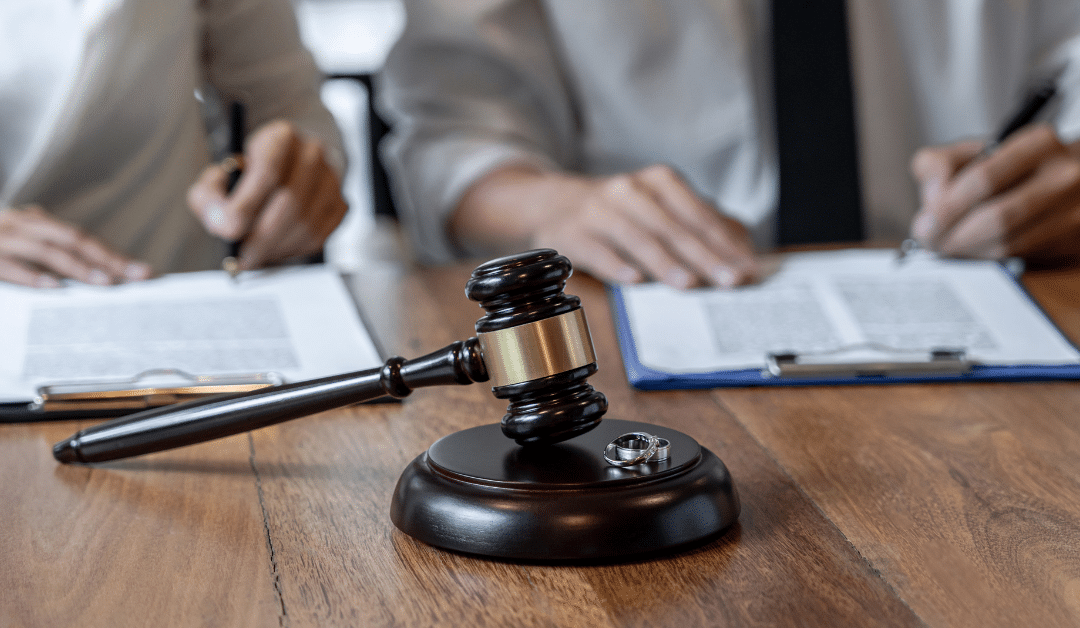
Filing for divorce is a major life decision that comes with both emotional and legal considerations. While some individuals consider handling the process on their own, others seek professional guidance to ensure everything is handled correctly. Understanding whether you need an attorney for a divorce before you file can help you avoid complications and make informed decisions from the start.
Divorce laws, procedures, and requirements vary by state, and even seemingly simple cases can become complex if important details are overlooked. Knowing what to expect and when to seek legal help can make the process smoother and less stressful.
Understanding the Divorce Process
Before deciding whether to hire an attorney for a divorce, it is important to understand what the process typically involves. Divorce is not just about ending a marriage, it also includes decisions about finances, property, and, in some cases, children.
The process generally includes filing paperwork, serving documents, negotiating terms, and finalizing agreements through the court. Each step requires accuracy and attention to detail, as errors can lead to delays or unfavorable outcomes.
Even in cases where both parties agree on major issues, legal requirements must still be met to ensure the divorce is valid and enforceable.
When Divorce May Seem Simple
Some divorces are considered uncontested, meaning both parties agree on key issues such as property division and parenting arrangements. In these situations, individuals may feel they do not need an attorney for a divorce.
While uncontested divorces can be more straightforward, they still involve legal documents that must be completed correctly. Mistakes or missing information can result in rejected filings or agreements that do not fully protect your interests.
Having legal guidance, even in a limited capacity, can help ensure that all aspects of the agreement are clear and legally sound.
Situations Where Legal Guidance Is Strongly Recommended
There are several scenarios where working with an attorney for a divorce is especially important. These situations often involve more complex legal or financial issues that benefit from professional support.
High-Value Assets or Property
If you and your spouse share significant assets, such as a home, retirement accounts, or investments, dividing property can become complicated. A lawyer can help ensure that all assets are properly identified and fairly distributed.
Children and Custody Arrangements
When children are involved, decisions about custody, parenting time, and support are critical. Courts prioritize the best interests of the child, but reaching agreements can still be challenging.
An attorney for a divorce can help create parenting plans that are clear, practical, and legally enforceable.
Disagreements Between Spouses
If communication has broken down or disagreements are frequent, negotiations can quickly become difficult. Legal representation helps manage these conflicts and work toward a resolution that aligns with your goals.
Protecting Your Financial Interests
Divorce can have a lasting impact on your financial future. From dividing assets to determining support obligations, each decision matters.
Working with an attorney for a divorce can help you understand your rights and obligations under the law. They can review financial documents, identify potential concerns, and ensure that agreements are fair and balanced.
Without proper guidance, individuals may agree to terms that do not reflect their long-term needs or financial situation.
Understanding Legal Documents and Requirements
Divorce involves a significant amount of paperwork, including petitions, financial disclosures, and settlement agreements. These documents must be completed accurately and filed according to court requirements.
An attorney for a divorce can help ensure that all paperwork is properly prepared and submitted on time. They also review agreements to confirm that they comply with state laws and reflect your intentions.
Even small errors in legal documents can lead to delays or complications later in the process.
Avoiding Common Mistakes
Many individuals who attempt to handle divorce on their own encounter challenges along the way. Common mistakes include incomplete paperwork, unclear agreements, and misunderstandings about legal rights.
Consulting with an attorney for a divorce can help you avoid these issues before they arise. Legal guidance provides clarity and helps ensure that important details are not overlooked.
Taking a proactive approach can save time, reduce stress, and prevent the need for future legal corrections.
The Role of Mediation and Negotiation
Not all divorces require courtroom litigation. Many couples resolve their differences through mediation or negotiation, which can be less time-consuming and more collaborative.
Even in these situations, having an attorney for a divorce can be beneficial. A lawyer can review proposed agreements, provide advice, and ensure that your interests are represented during discussions.
Mediation can lead to mutually beneficial outcomes, but legal oversight helps ensure that agreements are fair and enforceable.
Emotional and Practical Support
Divorce is not only a legal process, it is also an emotional experience. Having professional guidance can provide reassurance during uncertain times.
An attorney for a divorce helps handle the legal aspects of your case, allowing you to focus on personal and family matters. They can also provide a clear perspective on decisions that may feel overwhelming.
Support from a legal professional can make the process feel more manageable and structured.
When You Might Not Need Full Representation
In some cases, individuals may not require full legal representation throughout the entire divorce process. For example, if both parties agree on all terms, limited legal assistance may be sufficient.
However, even in these situations, consulting with an attorney for a divorce can provide valuable insight. A lawyer can review agreements, answer questions, and confirm that everything is in order before filing.
This approach allows individuals to move forward with confidence while still benefiting from professional guidance.
Preparing Before You File
If you are considering divorce, taking time to prepare can help you feel more organized and informed. Gathering relevant documents and understanding your financial situation are important first steps.
Meeting with an attorney for a divorce before filing allows you to ask questions, explore your options, and develop a plan that aligns with your goals.
Preparation can help streamline the process and reduce uncertainty as you move forward.
Choosing the Right Legal Support
Selecting the right legal professional is an important part of the process. Experience, communication style, and a clear understanding of your needs all play a role in finding the right fit.
Working with an attorney for a divorce who takes the time to understand your situation can make a meaningful difference. Clear communication and thoughtful guidance help ensure that your case is handled with care and attention.
Taking the time to choose the right support can lead to better outcomes and a smoother experience overall.
Personal Choice
Deciding whether to hire an attorney is a personal choice that depends on your unique circumstances. While some divorces may be straightforward, others involve complexities that benefit from legal guidance.
Understanding when to work with an attorney for a divorce can help you approach the process with confidence and clarity. From protecting your financial interests to ensuring that agreements are legally sound, professional support plays an important role in navigating this transition.
If you are considering divorce or have questions about the process, speaking with a legal professional can provide valuable direction and peace of mind.
Reach out to us at Mark’s Law Firm for an effective representative.
Stay up to date with the latest at Mark’s Law Firm by following us on Facebook.